Saturday, March 19, 2011

Two Toxic Food Ingredients That Damage the Brain

By Will H Stewart

Does the food that you eat affect your brain? You bet it does! The brain is the most sensitive organ in the body and it responds immediately to any insults. Unfortunately, the insults I am referring to are not just verbal. Insults can range from not getting enough sleep at night, drinking a soft drink filled with High Fructose Corn Syrup, eating conventionally grown strawberries to fighting with our spouse/boss/children/friends/etc.

Save your brain, people and stop insulting it by doing things that are controllable. The biggest being the food that you eat everyday.

Toxic foods are the some of the biggest insults to our brains, and there are two that are more than likely lurking in your kitchen now. If so, go throw them away! They are:

HIGH FRUCTOSE CORN SYRUP (HFCS):

This little chemical is now produced by the BILLIONS of pounds of which 66 pounds per year are consumed per person. This form of sugar is much sweeter than sugar but the side effects are that it increases appetite, promotes obesity and is more addictive than cocaine. It is the main form of sweetener in all processed and junk foods. It's in mostly everything, so check the ingredients! This little chemical can lead to diabetes and an inflamed brain. If you are not convinced yet one more interesting fact is that sugar and HFCS causes crusting in your brain just like a creme brule' or crispy chicken skin. It does this because the sugar in these foods react with proteins in the body that form plaques called Advanced Gylcation End Products. This plaque gunks up your brain, damaging most cells and tissues.

TRANS OR HYDROGENATED FATS:

These trans fats that are man-made and are in most processed foods, baked goods, fried foods, margarine, etc. Because of they way they are created and are molecularly unstable, they cause anything from increased body inflammation to interrupting basic brain functions.

So what are you waiting for? Any questions about products with HIGH FRUCTOSE CORN SYRUP or TRANS/HYDROGENATED FATS? Basically, they are bad! Unfortunately, more and more information is coming out these days about each and it's effects on the body and NONE have had a glowing review.

So what's the solution? Eat more organic fruits and vegetables to start with. Try two pounds of veggies and 4 servings of fruit per day. Not only will your brain thank you but you will probably shed a few pounds!

Happy Eating!

Article Source: http://EzineArticles.com/?expert=Will_H_Stewart

Soybeans May Be Harming Your Health

By Jack Artha

Soybeans are generally viewed as "healthy" food. They have even been touted as a "superfood" and the "ultimate source of protein" without the health risks of saturated fat contained in meat. Because of this, many people have been consuming soybean products without a second thought about how it can affect their health. Some even think choosing soybeans over meat is beneficial to their health. Unfortunately, it is not true. In truth, these people may be causing themselves more harm. Soybeans as a healthy food are just a result of a "successful" marketing strategy by the multi-billion dollar soybean industry.

Let me start with the history of soybeans. History tells us that soybeans are not something we should be eating; it is not even a food. Though soy was first discovered in China some time during the Chou Dynasty, the Chinese did not eat soybeans until they developed the process to ferment them. The reason is unfermented soybeans contain large quantities of natural toxins.

The problem today is that unfermented soybean products such as tofu and soymilk are considered healthy and form a big part of our modern diet. There is also "healthy" baby food made from unfermented soybeans. In other words, what was not even considered as food in the distant past is today considered safe enough to eat. Here are some reasons why consuming unfermented soybeans are bad for your health.

  • Soybeans contain growth depressants such as trypsin and haemagglutinin. As such, growing children should never be fed unfermented soybean products. There is no such concern for fermented soybean products, though, since the depressants are deactivated during fermentation.
  • Soybeans are high in phytic acid, which blocks the absorption of essential minerals such as zinc and magnesium. This is why vegetarians who rely on soybeans for their protein source often have zinc and magnesium deficiencies. This can result in muscle weakness, fatigue or slow cell growth. However, a long fermentation period can reduce the level of phytic acids in soybeans.
  • Soybeans contain goitrogens, a chemical that suppresses thyroid functions. When thyroid function is reduced, weight gain comes easily, making losing weight all the more difficult. Being overweight or obese can lead to hypertension, heart attacks and other related problems.
  • Most soybeans now are genetically modified. Not only that, the farming process also uses extensive pesticides to enhance their production output since soybean consumption is very high and thus a large output is necessary to meet the demand. All these mean that soybeans are highly contaminated with pesticides, which can cause cancer, among other diseases, in the human body. Even worse, fermentation does not in any way reduce the level of pesticide contamination.
  • Soybeans contain phytoestrogens, which elevate the level of estrogen in men and women. Elevated estrogen generally means more fat storage in your buttocks and thighs. In women, elevated estrogen levels can disrupt the menopause cycle. In men, the effect is reduced sperm and testosterone production, as well as the development of fat in your chest, resulting in larger breasts (commonly known as "man boobs"). Basically, elevated estrogen in men means reduced masculinity.

But should we avoid all soybean products? Unfermented soybean products like tofu and soy milk should be avoided at all cost if you really want to lose fat and live healthily. Fermented soybean products, such as tempeh and miso, are fine if consumed moderately. However, for children, it is best to avoid all soybean products.

Jack Artha is a Singapore-based Certified Personal Trainer, specialized in natural fat loss, at-home cellulite reduction, posture improvement, and total wellness. He is known for guiding his clients to achieve their fitness goals as well as transforming their lives to healthy lifestyle.

Article Source: http://EzineArticles.com/?expert=Jack_Artha

Monday, March 8, 2010

Time Your Eating to Maximise Performance For a Sport

By James Redwood

When exercising it is important to have all the energy that you need for your session, and we can often be tempted to eat just before hand if we are feeling peckish. Eating immediately before doing exercise is not healthy as it will not provide the body with the full energy gained from this food. And an athlete must have energy that equals what he consumes before and during his exercise. The most important source of fuel for muscles is carbohydrates that is stored in the form of glycogen. That's why you should eat after doing exercise to be good during the next session.

You should eat before you exercise by about 1 to 4 hours (The ideal time to get your meal fully digested) and it depends on the nature of your meal. Exercising on a full stomach is really bad as you will feel nausea and cramping and other stomach symptoms. If you push yourself hard, your body will even make you vomit, as the energy your stomach needs is binge diverted to your exhausted muscles. If you have an early exercise or race, you should get up early to get your pre exercise meal. If you were late you should drink something that gives you energy because drinking is easier for the stomach to digest. It will take about 20 to 30 minutes. But don't ever eat or drink just before your exercise.

Glucose is the best energy source for human body, so you must include rich carbohydrates food in your meal and it must be easily digested, such as: breads, fruits, pasta and drinks. Sometimes eating sugar (glucose) 30 minutes before exercise is very helpful but it varies from one to another, so you should experiment with it by yourself because sometimes the sudden increase in blood glucose has a bad effect on the performance, that's why you should find out what works for you.

Caffeine is great because it is a powerful stimulant for the Central nervous system. So drinking coffee or one of the many energy drinks on the market is useful before the exercise. Although caffeine is again dependant on the individual and has many dramatic side effects for some. There are some people that are sensitive to caffeine and can experience these side effects such as: headache, nausea and muscle tremors. Also excessive caffeine has strong diuretic effect that may cause dehydration which will decrease your performance.

Wednesday, March 3, 2010

Good Fats Vs Bad Fats - What You Should Know

By Jonnie Blaylock

Most people today who wish to lose weight resort to paying close attention to their daily meals. First on the list of the things they avoid is fat. For many people, the assumption on nutrition is simple - if you're trying to reduce the size of your belly you should avoid eating meals that contain fat. This is not true. Although few people realize this, removing this from your diet can result in many unhealthy side effects.

Just like other nutrients, our body requires a daily intake of fats in order to function effectively. Amongst many other roles, fats are required for the maintenance of our body cells and is utilized in the transmissions of signals through our nerves as well as the absorption of nutrients. Avoiding them is therefore a big mistake.

The problem with a person's dietary needs is not the fact that fat is included in a diet but more on the type that is found in the diet. Simply put there are two types of fats that can be found: good and bad fat. Like the name suggests eating meals that contain good fat is important in order to stay healthy whilst foods that contain bad types are bad and unhealthy for you sometimes resulting in heart diseases, possible cancer and annoying weight gain.

Instead of avoiding fat, a better approach to losing weight is to study and learn the differences between these two groups. By being able to recognize what these various meals are, you will be able to ensure a more balanced and healthier diet.

The Good Fats
So what are good fats? Good fats are meals which are high in unsaturated fats. These might be either monounsaturated fats or polyunsaturated fats. Monounsaturated fat is vital to healthy human growth. Its presence reduces the amount of bad cholesterol found in the body whilst increasing the levels of good cholesterol (yes there is a difference).

Regardless of the type of unsaturated fats, both provide a wide range of health benefits. Monounsaturated fats (MUFAs) lower total cholesterol and LDL cholesterol (the bad cholesterol) while increasing HDL cholesterol (the good cholesterol). Polyunsaturated fats are also found to perform similar actions.

Some good sources of polyunsaturated fats include vegetable oils and sea foods. These fats are rich in omega-3 fatty acids which greatly reduce the risk of person developing heat conditions amongst others. Sea foods such as salmon, mackerels and catfish are very rich sources of this.

Monounsaturated are just as important. They can usually be identified by their tendency to solidify when cooled. Examples of these include nuts such as cashews, walnuts, hazel nuts and peanuts. Monounsaturated fats are also very good oxidants and a rich source of vitamin E.

The Bad Fats
On the other side of the health scale are the unwanted fats. The kind known as saturated fats. It is these that are responsible for the increase of negative cholesterol levels. People who eat these types of meals will not only tend to gain fat at a much faster rate, they also will increase their risk of developing heart conditions and diseases.

Examples of saturated fats include meals such as meat, dairy, eggs and sea food. Alongside these animal products, saturated fats can also be found in plant produces such as coconut oil, eggs, meat, palm kernel and some sea foods. If you plan on losing weight or burning fat then you will need to reduce the amount of these fats that you consume. Saturated fats are dense in calories and thus provide people with fat more than they require.

There are various ways of limiting the amount of bad fats in your diet. You could substitute oils that are high in saturated fats when cooking for those that have low fat contents. Instead of using coconut oil or palm oil you can instead cook your meals with olive oil or canola oil. You should also opt for dairy product with low fat content. This will reduce the amount of unsaturated fat which you consume in your diet daily.

One way of identifying the type of cooking oil which you are using is to read the writing on the packaging. Most companies will let you know exactly what type of fats are contained within.

Finally, it is a good idea to avoid eating junk meals that have been fried or produced with saturated fats. Chips and chocolates for instance might be appealing, but they contain a high concentration of these negative fats.

Tuesday, March 2, 2010

Do You Know How Important Dietary Nutrition Is?

A poor diet can have serious implications to the health on an individual, with the possibility of deficiency diseases developing over time. This is why dietary nutrition is important to each and every person, especially those involved in strenuous activities.

The key factor to remember is that dietary nutrition is a combination of several nutrients that are essential to keeping the body in optimum form and ensuring that all bodily functions happen without causing any complications. Chronic diseases like diabetes and cardiovascular deficiencies, as well as obesity, are the result of a lack of proper nutrition.

As part of a balanced diet, the following nutrients play an essential part in daily life: carbohydrates, fats, minerals, protein, vitamin and water. All the nutrients are required by the body in a balance, as too much of one or too little of the other can cause health problems.

Carbohydrates are the energy-providers, readily absorbing in the blood and contributing to the sugar level. However, in terms of dietary nutrition, they are not essential to the human diet as the content of vitamins and minerals is quite low. However, having enough fiber as part of dietary nutrition is good for the digestion system in the body, helping to reduce the chances of constipation and diarrhea.

The fast food generation has developed a taste for fatty solids, which play havoc with an individual's dietary nutrition. While certain fats are good, like omega-3 and omega-6 found in fish, most fats are detrimental to health and over time can cause serious complications in the body. Fats have been attributed with heart conditions, obesity, variations in cholesterol levels and many other health problems.

A key component of dietary nutrition is protein and calcium. Referred to as the building blocks of the body, protein and calcium keep the bones strong and help in body growth. White meat, like chicken and fish, are high in protein and should form an important part of any diet. Similarly, milk and cheese can help in ensuring your body is strong to face up to the demands of the world, as well as strengthen your immune system.

The importance of dietary nutrition lies in understanding what each nutrient does for your body and how it can play an essential part in maintaining an active lifestyle. Additionally, having a balanced diet that is a combination of all necessary nutrients can help avoid life-threatening diseases and help towards a longer, healthier life.

Dietary nutrition information has become a big part of daily life, with restaurants and food outlets having to display the details so that customers can make a better choice of what they plan to eat. So, learn about the essential nutrients that your body needs, and use the dietary nutrition information to make a better lifestyle choice by improving your health.

Christine Crotts enjoys searching through garage sales for unique gems and jewelry. Christine has written a site containing reviews on gold cross necklace, as well as 14k gold cross necklace.


Thursday, February 25, 2010

Athletic Nutrition

By Tina Avon


When it comes to training and sports healthy eating habits are a must. Proper athletic nutrition is crucial to give you that boost of energy you will need to get you through those intense training sessions.


Indeed, one of the most important aspects of training and keeping at a healthy weight is to take an honest, harsh look at what you put in your mouth. Regardless of whether you are training 1 hour per day or 10 hours per day, the quality of the foods you eat are going to go a long way in either boosting your training sessions or bringing them crashing down on you.


Medical science has proven that one of the most significant health indicators is the food that we eat and athletes need to be hyper vigilant about this. While you are working out, you lose minerals and this is normal - however, it is crucial to replace those minerals with a healthy diet. If you do not eat well, you will find yourself either being very sluggish and tired all the time or you might end up wondering why on earth you are not gaining/losing weight as you should be and the answer is in the foods that you consume.


While it was believed that athletes needed to eat more fats than "usual" people, this has now been disputed. As a matter of fact, athletes should be eating a combination of healthy carbs (such as grains) and protein as well as minimal fats.


It is also important to eat your meals at strategic times. If you like to train in the mornings, then you should eat some light fruit and perhaps an ounce or two of nuts to get you through your morning session. After you have finished the workout, make sure to eat within two hours. Your body is still in "burning" mode and will easily process a healthy breakfast. It is imperative that you eat breakfast each morning - do not skip this important meal.


If you work out at lunch or later, then consider eating a small, light meal approximately 1 hour before you go for your workout - this should be light and considered a "mini" meal. The goal is to give you the energy that you will need for the workout - without making you feel full. Once the workout is completed, you should have your meal - remember that you should be having a healthy meal and this meal should not be too close to your sleep time. Your body needs time to digest.


For many people, eating more small meals during the day makes a lot of sense. As long as it is healthy stuff! Finally, don't forget to drink as much water as possible - water cleans out your body and removes the toxins that can make you ill.

Tina Avon
http://www.cutting-edgesp.com

Do High Protein Diets Help You Lose More Fat or Body Weight?


If I ask you how what percent of your diet at the moment is carbs, proteins and fats, could you answer within a 25% confidence interval? Most people just eat and forget. When all it takes is a few days of tracking your daily intake and you will know more than 99% of the population. Protein is essential in your diet, but is not the be all and end all.


Diets are made up of all different percentages based upon certain factors such as your goals, your current weight, your budget, your level of ignorance, your willpower etc etc.
Example: If you wanted to lose weight, you would go on a diet high in proteins, low in carbs, eat some beans to get a good enough caloric intake so that you won't get tired, but also eat a lot of fats.


People wonder about this and always think it is a mistake or a typo.

'It is neither.

We need to eat healthy fats to lose weight.

A diet should be based around a high percentage protein, medium percentage healthy fats and low percent carbs.

Proteins are chicken, lean meats, eggs, beef, turkey etc Carbs are bread, pasta, rice, fruit drinks, puddings etc Fats are avocados, eggs, e.v olive oil, fish, most meats

A diet like this will leave you lacking in energy if you cut out all the carbohydrates such as bread and pasta, rice, puddings so...

Eat some legumes in each meal!

This is the meal plan used by most intense bodybuilders, if you can stand eating the same things over and over again.

One day a week (I prefer Sat) it is advisable to eat all the carbs you want to stop your body

adjusting to the diet.

Johnny Palmer is a fitness fanatic and practices what he preaches. He stays in great shape all year round and helps people get abs, build muscle, lose body fat and maintain a sexy figure, no matter what their current weight/shape.

Wednesday, February 24, 2010

Athletic Nutrition


When it comes to training and sports healthy eating habits are a must. Proper athletic nutrition is crucial to give you that boost of energy you will need to get you through those intense training sessions.


Indeed, one of the most important aspects of training and keeping at a healthy weight is to take an honest, harsh look at what you put in your mouth. Regardless of whether you are training 1 hour per day or 10 hours per day, the quality of the foods you eat are going to go a long way in either boosting your training sessions or bringing them crashing down on you.


Medical science has proven that one of the most significant health indicators is the food that we eat and athletes need to be hyper vigilant about this. While you are working out, you lose minerals and this is normal - however, it is crucial to replace those minerals with a healthy diet. If you do not eat well, you will find yourself either being very sluggish and tired all the time or you might end up wondering why on earth you are not gaining/losing weight as you should be and the answer is in the foods that you consume.


While it was believed that athletes needed to eat more fats than "usual" people, this has now been disputed. As a matter of fact, athletes should be eating a combination of healthy carbs (such as grains) and protein as well as minimal fats.


It is also important to eat your meals at strategic times. If you like to train in the mornings, then you should eat some light fruit and perhaps an ounce or two of nuts to get you through your morning session. After you have finished the workout, make sure to eat within two hours. Your body is still in "burning" mode and will easily process a healthy breakfast. It is imperative that you eat breakfast each morning - do not skip this important meal.


If you work out at lunch or later, then consider eating a small, light meal approximately 1 hour before you go for your workout - this should be light and considered a "mini" meal. The goal is to give you the energy that you will need for the workout - without making you feel full. Once the workout is completed, you should have your meal - remember that you should be having a healthy meal and this meal should not be too close to your sleep time. Your body needs time to digest.


For many people, eating more small meals during the day makes a lot of sense. As long as it is healthy stuff! Finally, don't forget to drink as much water as possible - water cleans out your body and removes the toxins that can make you ill.

Tuesday, February 23, 2010

Can Cinnamon Help Me Lose Weight?


A large range of herbs and spices can help the body burn fat, but because you take them in such small quantities, you wouldn't even think that they can help in the least. Herbs and spices can be used to make boring meals far more flavorsome, enticing, and therefore easier to stick to a certain pattern of eating. Cinnamon is one of the more popular spices to help burn fat, and here is why.


Cinnamon can help the body increase its metabolism far beyond its normal levels, enabling you to burn fat far easier, especially fat stored away that your body was going to use on a rainy day. Cinnamon can also help control your appetite and food cravings by lowering blood sugar levels.
Cinnamon can be used on so many different foods, pumpkin is one of the odd things that I use it on!


Sprinkle some on yoghurt and have a cinnamon coated banana with it. Delicious healthy snack that will help you burn fat.


Have a cup of tea, green tea or coffee and sprinkle some cinnamon on it and stir it up. Great way to squeeze some more fat burning foods into your day.


I have used it on many different vegetables and fruits and meats. I think the only way for you to get a good dose every now and then is to put your pack of cinnamon right in plain view and use it on heaps of different foods until you find something that really grabs you!


Do you want to learn how I do it? Download your free course on How To Get Abs today, visit my fitness blog.


Johnny Palmer is a fitness fanatic and practices what he preaches. He stays in great shape all year round and helps people get abs, build muscle, lose body fat and maintain a sexy figure, no matter what their current weight/shape.

Friday, January 22, 2010

Nutrition and Eggs - Another Food Myth Laid to Rest

By Tina Marian

Deciding to eat healthy, nutritious and truly natural food is one of the best things you can do for your quality of life. Decision made, you would think determining the quality of the food you eat would be a fairly straightforward process. No so -- the facts about nutrition and eggs are yet another example of what I've come to call 'a food myth.'

Unfortunately, what ends up in your shopping cart, and in turn your body, is often based on incorrect information -- information that, once put forth by some marketing department or other, proliferates wildly, becoming the 'truth' upon which we base the dietary decisions so integral to our health.

Eggs are one of the healthiest foods you can eat; the story about them is also one of the best (or worst) examples of a food myth that comes to mind. Unfortunately, eggs have been vilified by many who believe their consumption contributes to the cholesterol problem.

A recent study in the Journal of Agriculture and Food Chemistry identified several different peptides in eggs that actually act as natural ACE inhibitors (angiotensin-converting enzyme inhibitors, a group of pharmaceuticals that are used primarily in treatment of hypertension and congestive heart failure.)

Many people routinely avoid eggs because of the cholesterol propaganda to which they have been linked in recent years. The original study that put eggs on the dangerous food list was done by the Cereal Institute 50 years ago, and was conducted using dried egg yolk powder.

Louise Gittleman, author of Your Body Knows Best, states that, "Recent refutations of that study point out that dried yolk powder, in and [only] of itself, is toxic to blood vessels because it has been oxidized. No subsequent studies have been able to prove any cholesterol dangers or any other kind of dangers from eating eggs."

In reality, it's hard to say enough good things about eggs. Eggs are nature's most perfect food - providing better quality protein than milk, beef, whey and soy. They contain all nine essential amino acids and are loaded with vitamins and nutrients that support your eyes, brain and heart.

In addition, egg yolks contain choline, a chemical similar to the B-vitamin family, which is essential for heart and brain function and for the health of your cell membranes. Choline also protects our livers from cholesterol and fat build-up, is the precursor molecule for the neurotransmitter acetylcholine, and more.

In terms of preparation, take care not to overcook eggs, as the cooking process can damage vital nutrients. Overcooking can cause the cholesterol that is natural in the egg to become oxidized. The best way to eat eggs is soft-boiled, poached or sunny side up.

Throwing a raw egg into a super nutritious shake is also a great, easy way to add eggs to your diet. If the idea of raw eggs bothers you, just remember that the meringue on a pie and the dressing on your favorite Caesar both contain raw eggs.

Choose free-range organic varieties and try to purchase your eggs directly from a farmer to ensure quality. As to storage, in Europe and South America, eggs are stored on the counter and not in the fridge. Neither method is right or wrong; store them where they are least likely to lose moisture.

Another food fallacy laid to rest. Unless you are allergic, eggs have an important part to play in good nutrition.

Tina Marian holds a rare combination of certifications that straddle both the world of allopathic and that of alternative medicine: she is both a Registered Nurse (of 34 years) and a certified Integrative Health Counselor. For your free full hour consultation go to http://www.tinamarian.com. Just one simple conversation could change your life for good.

Saturday, January 16, 2010

Weight Control and Meal Planning

If you are overweight and serious about losing extra pounds, the solution is simple _consume fewer calories and get more exercise. Do this on a moderate, regular schedule _no crash or fad diets and no furious exercise programs. It takes 3,500 calories to make one pound of body fat, so by cutting only 500 calories a day, a dieter can lose one pound in a week. This is a safe amount to lose and an effective way to diet.

Cutting down on calories does not mean cutting down on nutrition. A wise weight-control diet will be based on the Four Food Groups. Accumulating extra weight is a long-term process, and so is getting rid of it. Just as gaining extra pounds is due largely to poor eating habits, losing them will depend upon developing new eating habits _habits that once established ought to last a lifetime.

Meal Planning
Planning for nutritionally balanced, appetizing meals will become second nature to you if you understand the Four Food Groups and use the guidelines of the Daily Food Guide. Put together a variety of foods from the four groups, adding from the Other Group for flavor and fun, and you can hardly go wrong. Try to include foods that have well-rounded nutrient personalities, with a combination of food values (protein, calories, vitamins, minerals, etc.). Choose foods wisely so you benefit from everything you eat.

Breakfast should provide at least one fourth of the daily food needs. If the usual breakfast foods leave you cold, try an appealing array of cheeses, muffins or breads, fruits, and yogurt. After all, lox, cream cheese, and bagels are a common breakfast combination.

Make lunch worth something by selecting a meat, fish, or egg sandwich (on enriched or whole grain bread). Add something from the Fruit and Vegetable Group as a garnish or go-with. Cheese, fruit, and enriched bread or crackers are even easier to fix and still supply what you need to get on with the day.

Usually the evening meal is planned around a main dish. A green or yellow vegetable, rich in vitamins, will complement any main dish. Salads and breads are frequent accompaniments to dinners and suppers. Vary the greens you use in tossed salads. When a tossed salad doesn't seem to fit the bill, offer fruit salad, cole slaw, or a relish tray. Muffins, biscuits, or French bread can add a special touch to a meal, too. Desserts should be chosen to complement the dinner. Choose a light dessert, such as sherbet or fruit, to follow a heavy meal.

Friday, January 15, 2010

Why You Should Consider Low Carb Cooking

By Ryan Yerffle

If you have always struggled with your weight, then you might want to consider making a few lifestyle changes. This means that you are not just going to start a diet that can end in a few weeks time. With a lifestyle change, you will be starting some changes that can more or less become permanent primarily because of the healthy effects they bring. One such example is taking on low carb cooking. True, you can always start your usual diet but if you do not really change the way you cook, there is a high chance that you simply go back to your old eating habits. In the end, the diet that you have worked hard for can become useless.

Low carb cooking entails utilizing recipes that create foods and meals that are low in carbohydrates. Yes, each person needs carbohydrates but the problem lies in the fact that most of us simply consumes more than what is actually needed. Now, if you lower down your carbohydrate intake, you can definitely lose much of your unwanted pounds as carbs turn to stored fats if unused or unburned by the body.

When planning to start a low carb diet, it would be more practical to learn low carb cooking. This means that you will not just rely on ready to eat foods that are low in carbohydrates but you can make low carb meals right in your own kitchen. You would not need to feel frustrated with restaurants that do not serve foods that are low in carbs. Learning how to cook your own meals gives you a power of self efficiency. You do not have to rely on a health store to put up a healthy instant meal for you. You also do not need to spend as much because you can buy raw ingredients and come out with the perfect dish on your own. If you know how to cook low carb dishes, then you can maintain your lifestyle change more effectively.

Of course, starting this kind of lifestyle change is not about eliminating carbohydrates from your meals. You simply lower them in line with what your body really needs. You have to remember that eliminating them totally from your diet is unhealthy so you have to create a kind of balance.

If you seriously consider learning low carb cooking, then you can maximize the vast rich of resources around you. You can dig around the Web to find low carb diet recipes. This would not be a difficult task as there are quite a number of websites which focus on healthy cooking. If you are new to this kind of healthy living, then you can also find online support groups quite helpful. Not only will you find new cooking and meal ideas but you can also become part of an online community that supports healthy eating and cooking.

Going for low carb cooking is definitely healthy and easy. You can also use this lifestyle change to lose the pounds that you have always wanted off your body. In the end, low carb cooking and eating brings you nothing but health and aesthetic benefits.

Ryan Yerffle tries to stay warm during the long cold winters in Chicago. He likes to sit inside by the fireplace with a cup of hot cocoa instead of braving the frigid cold outside. Ryan has a site with reviews of indoor outdoor thermometers, as well as a review of an Acu-Rite thermometer.

Tuesday, January 5, 2010

Peanut Butter is Actually Good For You


By Miles Keeler


Peanut butter is made from peanuts which are not truly nuts like walnuts or cashews. Peanuts are part of the legume family that contain chickpeas, fava beans and lentils. Peanut butter really fills you up when you eat it and it helps to suppress your appetite. While they are high in fat, peanuts are mostly made up of unsaturated fats that do not raise cholesterol levels.

In fact, the December 1999 American Journal of Clinical Nutrition showed the peanuts in peanut butter lowered blood cholesterol levels much like olive oil does. Most peanut butters, even the store bought varieties contain only trace amounts of trans fats, if any. In a study completed by researchers at Purdue University, they found serum triglyceride levels reduced by up to twenty four percent when peanuts were added to the diets of healthy men and women for over 30 weeks. The reduction of the triglyceride levels meant a possible reduction in heart related diseases by up to six to eight percent.

Natural or organic butters retain the heart healthy benefits of peanuts and contains less salt and sugar than store bought brands. Some store bought varieties of peanut butter may indeed contain trans fats because of the partially hydrogenated vegetable oil to help with separation, but the trans fats are in such low levels the FDA grants them a zero rating. The FDA also allows peanuts to be advertised as providing health benefits. Besides protein and unsaturated fats, peanuts contain folate, fiber, copper, magnesium and arginine.

Miles has been writing about health, fitness and nutrition for over three years now. He is a lifelong fan of the NFL Denver Broncos and the Denver Broncos blog by Horvil Tiki.

Wednesday, December 30, 2009

Healthy Eating Diet


By Theresa Byford

I believe in eating healthy and staying fit, but I also believe everything needs to be done in moderation. If we restrict ourselves completely from everything we love to eat, we end up over indulging ourselves later and regretting it. So if chocolate is your thing or vanilla ice cream or what ever you fancy. I say its okay to have a little here or a little there.


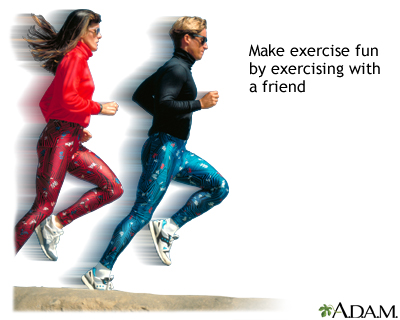
Exercise: There are all kinds of ways to get your exercise. Don't make the mistake of doing the same exercise routine day in and day out. You will get bored! Walk in your neighbor hood, walk down town, or maybe you have a park near by that has trails. Do some stretching exercises, start out slow, they will help loosen up tight muscles and improve joint movement. Later you can add some weights if you would like. You might try putting some tunes on and dance around the living room. The secret is to make exercise fun.Here are a few health tips that I have picked up, some recently and some that I have known for a while. Hope that you will find some of these tips useful in your quest in becoming a healthier you.

Phosphoric acid an additive found in soda is believed to remove calcium from your bones and cause tooth decay. When girls and boys bodies are changing into young adults as we all know their hormones change which causes skin break outs and mood swings, but did you know it also causes more plaque to build up on their teeth then when they were younger. Another reason to push our teens to brush their teeth. They will be grateful to us later.

We are all looking to burn more fat when we exercise: Start your morning off with whole grains, such as oatmeal, whole grain toast or bran cereal. They have "slow release" carbohydrates which can help you burn fat, according to a new study in the Journal Of Nutrition.

Weight bearing exercise helps our body absorb calcium. You can take all the calcium you want but with out exercise and vitamin D your body will not absorb the calcium. You can get vitamin D from leafy green vegetables, most milk also is fortified with vitamin D these days, there's also vitamin D supplements or you can spend fifteen minutes in the sun a day with out sunscreen. Exercise is great way to lower your risk of heart disease and certain cancers, including breast cancer. Exercise also helps reduce stress, which is an important factor in our health.

Another way to reduce stress is to take time out for ourselves. Read a book or take a nice warm bubble bath, turn the lights off and light some candles, or just watch a good movie. We can't just depend on exercise and some relaxation though to keep us healthy, we need to also follow a healthy diet. Avoid processed foods they are very high in salt, avoid foods that are high in fat, and last but not least avoid too much sugar. Always read labels and don't forget everything needs to be done in moderation.

Hello Everyone, My name is Theresa, I live in Northern California, just South of the Oregon boarder. I am surrounded by beautiful mountains and lakes. The winter is very cold, spring is comfortable and summer is toasty hot. I am engaged to a wonderful, handsome prince. Between the two of us we have five wonderful children and one grandson. We have a dog named Honeybear and two cats River and Baby. I enjoy cooking, reading, hiking, camping and spending time with family and friends. Check out my blog at http://www.eatinghealthydiet.net

Saturday, December 26, 2009

5 Reasons Why You Should Take Enough Fiber in Your Daily Diet

By Madhurima Devi Sarma

The Life Sciences Research Office of the federation of American Societies for Experimental Biology defines fiber as "the endogenous components of plant materials in the diet which are resistant to digestion by enzymes produced by humans".

Fibers are of two types, Soluble and Insoluble. Fiber has the capacity to swell and hold water within a matrix. Fibers with a high water holding capacity have been referred to as soluble fiber. Soluble fibers include gums mucilage, pectin and hemicelluloses. Food sources include fruits,vegetables; barley, oats, oat bran, and legumes (dried beans and peas).Fibers with low water holding capacity are termed as insoluble fiber. Insoluble fibers include cellulose, lignin, and some hemicelluloses. Food sources include fruits, vegetables, cereals, whole wheat products and wheat bran.

Why you should take fiber in your daily diet?

1. There is now overwhelming evidence that dietary fiber reduces serum Cholesterol considerably. Simultaneously it reduces risk of getting heart disease.

2. Some intervention studies among hypertensive and normotensive individuals have reported reductions in blood pressure in response to increased fiber intake.

3. High fiber vegetarian diets have also been associated with reduce risk of obesity

4. Various studies have also established the fact that fiber is effective in reducing Hyperglycemia in diabetic individual.

5. High fiber diet (21-38 gm/day) is also recommended for health condition like constipation, diverticulosis, hemorrhoids, irritable bowel syndrome etc.

Normally a person should take approximately 30gm fiber per day or 12 gm per 1000 kcal for a normal healthy adult. Excessive intake of fiber may reduce the absorption of calcium, copper, iron, magnesium, selenium and zinc.

Hi, I am Madhurima Sarma and write health related articles to help people make aware about the numerous role of diet in healthy as well as in diseased individual, with an aim to prevent the development of the disease or to stop/ slow down the further development of the ongoing disease process. I spent over 10 years as a dietician and presently working in a multispeciality hospital.To contact me please email me at rimaliney@gmail.com. My blog is http://www.healthywealthyandwiseinfo4u.blogspot.com

Tuesday, December 22, 2009

Healthy Breakfast For Those on the Go


By Julie S Robertson


Breakfast is one of the most important meals of the day for a reason. Eating a good quality meal early in the day jumpstarts your metabolism--and it also keeps you from making poor choices midmorning and at lunch. Making a healthy breakfast doesn't have to be time consuming-with a little planning, you can have quality choices on hand in your own kitchen.

Heat and Eat:
Instead of hitting a fast food drive thru, make breakfast burritos or sandwiches ahead of time and then microwave them. They are easy to carry and make for a healthy option. Choose eggs or egg substitute, and top with veggies or low fat cheese. Add a little seasoning to the mix rather than choosing a meat to save both fat and calories. If you have to have a meat, consider turkey bacon or low fat turkey sausage. Assemble your breakfast on a whole wheat bagel or English muffin or wrap it in a whole wheat tortilla the night before; and you can microwave it just before you walk out the door.

Grab and Go:
Consider grabbing a yogurt, and a whole grain cereal bar, protein bar, or meal replacement bar. Make sure you read your labels and check for sugar contents, fat, and calories. Some of the "granola" bars that are available in the supermarket are more like candy bars-so be sure you read the label and choose one that is truly healthy.

Fruit:
Keep bowl of fruit handy-pieces like bananas or apples are great for grabbing on the run. If you do opt for fruit, have a mid-morning snack that contains some fiber and protein to keep you going until lunchtime.

Drink your Breakfast:
You can make a quick and healthy smoothie if you have all of your ingredients prepped and ready in advance. Choose a fruit like banana or strawberries, and add a juice (orange works well). Add some good quality plain yogurt to up both the calcium and protein, and sprinkle in some wheat germ for added fiber. If you keep some "go"cups handy, you can whirl up a fast, healthy breakfast just before you walk out the door.

Less Common "Breakfast Foods":

Often people get hung up on what breakfast is and what it isn't. You don't have to eat "breakfast foods". You just need to grab something you like it that is also healthy.
• Low fat cheese slices, cubes, or string cheese. Pair that with whole wheat crackers for an easy breakfast that is also easy to carry with you. Add fruit to the mix and you have a great meal for any time of the day.
• Sandwiches are another easy to carry food. Add a low fat meat, low fat cheese, lettuce or spinach, and tomato slices, on whole wheat bread and you have a complete meal that is easy to go.
• Prepare boiled eggs ahead of time. Breakfast can be a boiled egg with a slice of toast. Both are easy to grab and don't take a lot of time to prepare.

For healthy breakfasts on the go, choose a meal that has protein and fiber to get you moving, and that you can easily fit into your morning routine. A good breakfast may take a little advanced preparation, but skipping the drive-thru will make a difference for both your waistline and your pocketbook.

The Wonderful Banana

By Dorian Hawkesford

Belonging to the same family of fuit as the orchid and the lily, the banana plant matures anywhere from 10 to 20 feet. This plant can be harvested for anywhere up to 150 bananas.

Bananas are one of the richest sources of potassium. This mineral is essential for maintaining ones blood pressure at normal levels. Since just one single banana contains a massive 467mg of this mineral, consuming just one banana a day could very well prevent high blood pressure and could prevent atherosclerosis, this is where fatty deposits build up on the walls of your arteries.

Bananas have also been known to act as antacids. These can protect against stomach ulcers and the damage they can cause. It has been studied that mixing banana with milk help to reduce the acid secretion within the stomach. How this works is the bananas enable the cells that make up the stomach linning to produce a thicker protective mucus, which acts as a barrier against the acid within the stomach. Also they contain what is known as protease inhibitors which aid teh elimination of bacteria which are believed to be the root cause of ulcers.

If you are suffering from diahorea then make sure you add this fruit to your diet ASAP! Diahorea depletes the number of what are called electrolytes. Bananas are high in electrolytes, which help to balance your fluid levels and the functioning of the heart. Also they contain soluble fibre, which will help to return your movements through the digestive track back to normal.

This fruit should be one of the very first you add to your recommended five fruits a day. They are one of those fruits that take no motivation to consume since they are treated as a natural form of sweet.

Monday, December 21, 2009

Foods to Avoid High Cholesterol - What You Need to Know


By Joe Dungait

When it comes down to choosing foods to avoid high cholesterol, you need to be aware of some of the misinformation that is out there. Most often when we think about high cholesterol then our first thought is that we need to totally eliminate the foods that cause it from our lives, the fact is that we do need some of it in our blood for our bodies to function properly and also while we can skip certain foods to avoid high cholesterol, diet only plays a small part in the grand scheme of things.


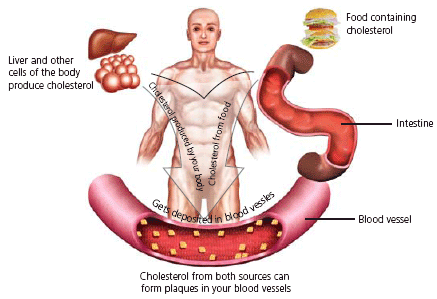
Cholesterol is a wax like substance which is produced by the liver and the body needs it for building and maintaining cell membranes and balancing the hormones. As we mentioned a small part of it can be made through our diet but the vast majority of it is produced by our livers. The foods to avoid high cholesterol are in the main foods that contain saturated fats such as red meats and dairy products, and probably the worst offenders are foods that contain trans fats; trans fats are made from hydrogenated vegetable oils, and often found in fast foods and processed foods.

The typesd of foods which we have mentioned i.e. the saturated fats and trans fats will reduce a little bit of production of LDL which is the "bad" cholesterol, however there is another cholesterol that you want to have high amounts of and that is HDL. The purpose of the HDL is that it helps to reduce plaque buildup made by LDL, and not only that it mops up the LDL and takes it back to the liver for reprocessing. Foods that can give you a good boost of this HDL are normally foods that contain omega three fats such as flax seed and walnuts; oily fish in particular is excellent at raising the HDL because that contains two omega3 fats known as DHA and EPA and these been scientifically proven to not only help balance out the levels but also reduce triglycerides as well.

Quite often if you go to the doctors to discuss your cholesterol levels, they will just look your total combined levels and look to reduce that rather than look at the separate LDL and HDL levels and also triglyceride levels. Normally the course of action that is taken is to prescribe statins. The problem with statins is that although they will reduce your LDL by way of inhibiting the enzymes that produce it, at the same time they also inhibit enzymes that the body needs to function properly, and inhibiting these good enzymes can lead to some severe health complications. Unfortunately statins are dished out quite often without looking at other remedies such as discussing foods to avoid high cholesterol. You need to think carefully if you are offered statins by a doctor as once you are on them then you are on them for life.

Sunday, December 20, 2009

Eat Healthy - Feel Great


By Dr. Dale


Everyone wants to eat healthy and feel great. Let's explore what to eat and why these inexpensive healthy foods are less costly than fast foods.

Unfortunately, few people eat healthy. It's a shame because many of the ills that plague mankind are caused by nutritional deficits of one type or another.

The reasons most folks don't eat properly are many and varied. Some people truly don't know the correct foods to consume. Others refuse to give up the foods they were raised with.

Wise Eating

Eating healthy on a budget is often a high priority when determining if a lifestyle change will suit you.

That's understandable.

Being able to make inexpensive healthy recipes you can afford may be your first consideration. Luckily, good health foods can be very affordable.

Natural Healthy Diet

The affordability of many healthful food choices lies in the fact that the best foods are unprocessed and in their natural state. This offers the greatest chance for you to consume the nutrients you need to eat healthy and feel great as nature intended.

Raw vegetables, fresh fruit, and whole grains are some of the best foods to eat. Because they are consumed as they come from the fields and orchards processing costs are minimized or totally eliminated.

A raw vegetable diet can be had for only the cost of growing the produce.

Whereas the worst foods to eat, fast foods, require many different processes (including transportation costs) which all add to the cost of foods in the supermarket. And as you well know; fast food is bad for you.

Thursday, October 22, 2009

5 Tasty Foods That Help You Burn Fat


By Kevin Koskella

When most people think of losing weight, they think of doing some kind of intense activity like running to burn fat off. While exercise is helpful in keeping or obtaining a fit body, it is secondary to what you are putting into that body.

Many people also eat too many carbohydrates, which contribute to weight gain. Here are 5 foods that you can start adding into your diet immediately that will help you to lose or keep away unwanted weight. (Think of replacing some unnecessary carbs with these foods):

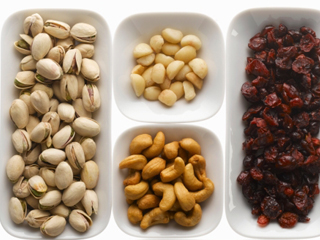
1. Almonds/Almond butter. This is a great addition to your meals to get some extra fat burning fat, and feel full longer. I tend to snack on almonds often, and the result is higher energy levels, feeling satiated, and a flatter tummy. Research published in the International Journal of Obesity indicates that diet-study participants who ate one serving of almonds daily for six months lost 18% of their body fat. Study participants who had a diet with the same amount of calories and protein but substituted an equal number of calories in complex carbohydrates (from a source like whole grain crackers) instead of the almonds, lost only 11% of their body fat.

2. Avocados. Contrary to popular belief, avocados are extremely healthy and a great food to eat if the goal is to burn fat. They are loaded with essential healthy fats that our bodies need. Typically, health-conscious people will see the guacamole dip and avoid it because of all the fat. Nonsense! You would be better off not having the chips and eating several spoonfuls of guacamole if you are wanting to eat a food that will help you slim down instead of pack on the pounds.

3. Broccoli. I hated this vegetable as a kid, but began enjoying it as an adult, when I decided to eat foods that would give me more energy and help burn fat away instead of junk food. A good way to eat broccoli is to steam cook it and pour olive oil and sprinkle sea salt on it. Yum! With great dietary fiber, nutrients and protein, broccoli stands as one of the most nutritious and healthy foods we can eat.

4. Green Tea. Another amazingly healthy green food. Several studies have shown that drinking green tea boosts exercise-induced weight loss. A new study in the Journal of Nutrition confirms the weight loss benefits and claims drinking green tea also helps the body burn fat - belly fat in particular. Drink up!

5. Coconut Oil. Yes, it's loaded with saturated fat, and common wisdom says this is fattening and will lead to dreaded high cholesterol. This is where common wisdom is wrong! Coconut oil has been shown to help with fat burning with a rare type of fat called Medium Chain Triglycerides (MCT's). MCT's are more suited for energy use rather than fat storage. One study on coconut oil, published in the American Journal of Clinical Nutrition, demonstrated that the medium-chain fatty acids that comprise coconut oil were threefold more effective than polyunsaturated oils at raising metabolism. Make sure to get high quality, virgin coconut oil- taste and nutritional value will be higher!