Monday, September 28, 2009

Eating a Healthy Balanced Diet

By Rob Baldaro

It is recommended to eat small meal portions throughout the day and to not skip a meal. Breakfast is the most common meal to skip as most people either do not feel hungry early in the morning or they simply don't have the time. By eating regularly throughout the day the blood sugar levels stabilize and you won't get hungry. Eating regularly also ensures that you get all the essential nutrients that your body requires to stay healthy.

Skipping a meal or waiting too long for your next meal causes your blood sugar levels to drop, which causes you to feel shaky and weak. You will find it hard to concentrate on your tasks, your energy levels drop and your mood changes. It is the carbohydrates that determine your blood sugar levels and by eating complex carbohydrates you can help stabilize the sugar levels and hunger pains. Eating sweets, chocolates, cakes and biscuits do not help as they are quickly absorbed into the bloodstream and cause your blood sugar levels to rise rapidly and then just as quick to drop.

To stop these types of sugar level fluctuations you should choose starchy foods that are low on the glycemic index. The glycemic index tells you how quickly certain carbohydrates will trigger a rise in your blood sugar levels. It is best to go for foods that have a low glycemic index count such as wholemeal foods and oats.

As mentioned earlier you should not skip breakfast because your blood sugar level drops at night so it is important to replenish your body when you wake up in the morning. You are also likely to snack on sugary foods like sweets or chocolates throughout the morning.

Lunch should be your largest meal of the day so you have the rest of the day to work it off. Try not to eat lunch that is high in carbohydrates as this will make you feel sluggish for the rest of the afternoon. Eat a protein rich meal with some fruit or a salad and that will also go towards your five a day for fruit and vegetables.

It is good to have a snack between meals, say mid morning and mid afternoon. Rather than picking up a chocolate bar or a packet of crisps, go for a low-fat snack like fruit, dried fruit, yogurt or some nuts and seeds. Nuts and seeds are a good source of protein and help you feel fuller for longer.


Finally drink plenty of fluid during the day, preferably water. Keeping hydrated will stop your energy levels from dipping and stop you from getting headaches. Try to drink about eight glasses of water throughout the day and cut down on caffeine drinks. If you start drinking the recommended amount of water from today, you will feel more energized and alert within two weeks. To maintain a full healthy life, take up an activity to compliment your diet like walking for 30 minutes each day five times a week.

Thursday, September 24, 2009

By Shael Berni

In a society where most of the food available can be more harmful to you than helpful, eating right can be quite disheartening. But not all foods available today are unhealthy, if you know where to look. Some foods can actually be beneficial to the body, especially the brain. But what foods are beneficial to the brain and where can you find them? What if you have a strict budget and don't have hundreds of dollars every month to spend on exotic brain foods. Well, brain food is more readily available than you think, if you just know what to look for. You probably have tons of brain food in your house right now and don't even know it.

It is a very well known fact that many of the foods we eat today might lead to many illnesses we could be getting later in life. Such illnesses may be heart problems, diabetes, cancer, even Alzheimer's disease. There have even been reports that the top 5 cancer causing foods are donuts, chips, bacon, hot dogs, and cookies. This can be a frightening fact, especially if you have children. But instead of feeding your children food that may be rotting their bodies, as well as their brains, there is plenty of readily available food that kids like and is good for them. So, let's dive right in.

Some foods that are great for the brain are obvious choices, while some have benefits that are not so well known. We have all heard of the benefits of eating fish, but it is also very beneficial to the brain. Fish is rich in omega 3 fatty acids that help circulation of blood vessels, bring more oxygen to the brain, and lower cholesterol. Vegetables also have a long standing reputation as being healthy for the body, but they are wonderful for the brain as well. Vegetables have low levels of GI (glycemic index) which means they help slow down the sugar distribution in your blood stream, preventing a sugar crash, while providing more oxygen to the brain.

Some other foods that contain low GI levels are grains, cereals, rice, and spaghetti. Other foods that are great for brain activity are turkey, eggs, oatmeal, oranges even peanut butter. Peanut butter's high range of protein is excellent for brain health and brain development. That is why in cooking classes for kids the first thing they always teach kids is how to make peanut butter and jelly sandwiches because not only do kids love them, but they're great for their brain health as well.

Milk and dairy products oftentimes have lower GI levels than fruit and are needed for proper oxidation to the brain. Also, any food with high levels of protein is great for the brain. High protein foods release high levels of amino acids which help to improve brain power. Two of these amino acids found in high protein foods are tryptophan and tyrosine which are considered essential building blocks of neurotransmitters in the brain. These neurotransmitters serve as carriers sending signals from one part of the brain to another and are essential in high brain activity.

If you enjoyed this article, please feel free to post it to your site or blog and forward this link to your friends. Have a great day!

Tuesday, September 22, 2009

Healthy Snacks on the Go

By Felix Alexander

With the families always on the go it is hard to give the kids and you a healthy snack when you are riding in the car to a game or on a long family trip. You need a healthy snack to keep up your energy and focus so you can finish the project. Some simple ideas can save you money and make some healthy snacks that your kids will eat; you can also let them help make their own snacks. You can get the things to make your own trail mix, cracker sandwiches, and vegetable sticks and dip. You can make all of this for little to no money and here are a few ideas to help you along your way.


When you go shopping, go down the cereal isle and look for some cheerios and a box of chex. Now get an inexpensive bag of chocolates and a bag of nuts. If you want to save money then you might just want to get a bag of peanuts in the shell. These are a bit cheaper but you have to shell the peanuts yourself. Next, find some cheap cheese crackers and a box of raisins. Now when you get home you can mix all of this together and you have a big bowl of chex mix with all of the natural flavors and you got a lot more food for a lot less money spent.


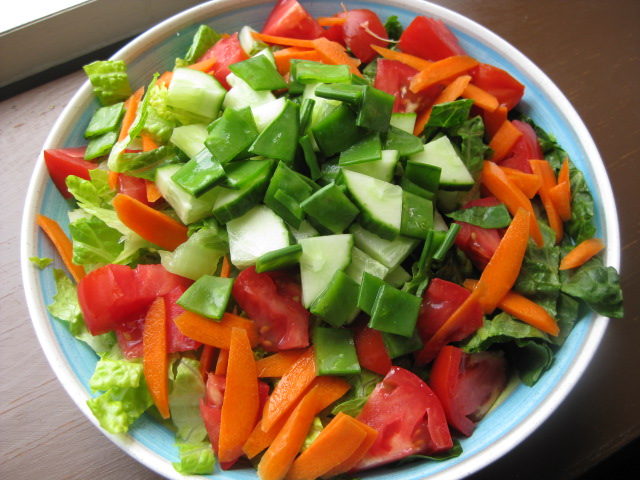
You can really save a lot of money if you have you own garden. You can grow some carrots, tomatoes and some cucumbers to make a healthy and easy snack for you and your family. Wash the vegetables off with cold water and then let the kids munch away. You can throw in a package of crackers and some lunchmeat and you got a whole supper on the go for a miniscule amount of money out of your pocket. All you need know is a thermos of water or what ever it is you want to drink and you got a weight watching meal packed with the vitamins and minerals that your whole family needs to grow up healthy and full of energy.

Monday, September 21, 2009

Easy Tips For Cutting Calories

By Callie Durbrow

In today's society people are very conscious of weight loss, dieting, and getting in shape. While these are very important to overall health and quality of life, many people do not go about this the right way. In order to get fit and healthy, it is important to develop proper lifestyle changes. Here are some quick tips on how to reduce your calorie intake in a healthy manner.

1. Look before you buy
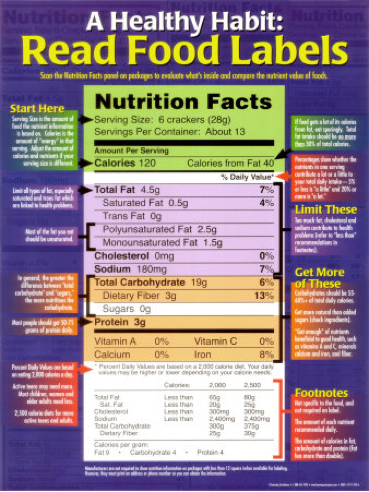
• Check the food label

• Read serving sizes

• Avoid processed and packaged food

• Avoid sugar, starch, processed coloring and oils


2. Where You Eat Matters
• Select restaurants that offer healthy foods

• Choose small portion options or appetizers for your main meal

• Choose grilled or baked options

• Order dressings and sauces on the side so you can control the portion

• Skip the bread basket

• If you must have dessert, share with a friend

3. Cook at Home as Much as Possible
• Grill or bake meat

• Steam or grill vegetables

• Make enough food for leftovers

• Measure portion sizes- 1/3 protein, 1/3 vegetables, 1/3 starch (sweet potato, brown rice)


4. Avoid liquid calories
• Skip soda, iced teas, flavored water

• If you drink coffee, try to avoid cream, sugar, and syrup flavorings

• Drink water with every meal and try to drink a gallon per day

• Limit the amount of alcohol you consume

To cut down calories be sure to eat every 3-4 hours, snack on nutrient dense foods such as vegetables, proteins, nuts, and whole grains, drink a gallon of water per day, avoid processed foods, cook at home, and get into great eating habits that you can continue on for the long run.

Wednesday, March 25, 2009

What to Eat to Lose Weight Fast

By John Davenport


We all know that weight loss begins at the mouth. Your nutrition determines how and if you will shed pounds. So, what should you eat to lose weight?


In order to lose weight in a healthy way for the long term you need to eat a sensible and balanced diet with all the major food groups like carbs, fat, and protein, so all must be included in your diet. It is the quality of these nutrients which will determine your success... or failure.


Healthy Protein
You need to eat protein from lean sources. In that way you will get your protein sources without also eating unnecessary fats. Good sources of protein include:


Tuna
Salmon
Egg whites
Chicken breast
Turkey
Beans
Lentils
Nuts and almonds


Healthy Carbs
Carbs are considered the enemy by many people who wish to lose weight but this is not the case. The truth is that some carbs are good and some are bad. You need to eat high quality complex carbs to feel full and shed fat. Carbs are necessary so don't cut them down too drastically for too long.


Here are some sources of good, healthy carbs:


Wild rice
Sweet potatos
Fruit and vegetables
Nuts of all sorts
Almonds
Whole flour bread
Whole pasta


Healthy Fat
Fat is considered the arch-enemy of course and it's counter-intuitive to believe that you need to eat fat in order to lose fat. But the fact remains: our body needs fat to function well and operate as it should. It's just a fact of life. Don't make the mistake of eliminating fats from your diet. It will backfire. Here are some healthy source of fat you should eat to lose weight:


Olive oil
coconut oil
Fish oil
Nuts and almonds
flax seeds


As always, the key is moderation. Don't eat too much or too little of any one thing. Do that and you will lose weight.

Tuesday, March 24, 2009

Dietary Fiber - What is it and What Do I Need it For?


Dietary fiber is an often-overlooked, but vital part of your diet. Not only does it supply needed nutrients, but it helps your digestive tract to function normally. Without your daily dose of fiber, you run the risk of hemorrhoids and constipation.


Dietary fiber is divided into two main classifications: soluble fiber and insoluble fiber.


Soluble fiber dissolves in water. In the digestive tract, soluble fiber is broken down by bacteria, resulting in the production of gas and other metabolic byproducts. Some of the chemical compounds that result from this fermentation process are absorbed by the small intestine and used as nutrients by your body. Nutritionists estimate that soluble fibers supplies you with approximately two calories of energy per gram.


Insoluble fiber does not dissolve in water. It passes through your digestive tract mostly unaltered by the digestion process. This fiber adds bulk to your diet; it is sometimes called roughage. In the past, a diet high in insoluble fiber was credited with reducing your chances of falling prey to colon cancer. However, in recent times, the cancer-reducing benefit of insoluble fiber is being questioned. New evidence shows that high-fiber diets do not confer any additional protection against colon cancer. That's not to say, however, that a diet which lacks fiber is not unhealthy. The US Food and Drug administration recommends that you eat between 20 to 35 grams of dietary fiber every day. Furthermore, the FDA recommends that you get 14 grams of fiber for every 1000 calories in your diet. Therefore, a man on a 2500 calorie diet should consume at least 35 grams of dietary fiber per day.


Make sure to get enough dietary fiber. Natural, high-fiber foods like fruits, vegetables, and whole grains are not only tasty, they're good for you too!

Monday, March 23, 2009

Small Changes Can Effect Your Diet in Surprising Big Ways


Each day we make as many as 200 food choices.


These are influenced by many things, even the folk we're eating with. Even though each of those choices may only represent a small contribution to our final health - they all add up to making an immense difference. Here's how...


Many of the questions people ask me about diet and health are about the small things. They are about the details in diet. Sometimes people ask me "surely, if I just take care of the big things then I don't really need to worry about the small things?"


But when you analyse anything, the big things are made up of lots of small things. If you take care of the detail in your diet, then each of those things that you take care of will add up and make the big things far more effective. Here are a couple of those small things that you might like to consider:


Firstly, when you go to the supermarket or your local shop to stock up, look down the ingredients list to make sure you avoid eating foods that have got artificial sweeteners, MSG and a whole range of additives and colorants. These are the things that many manufacturers have to put into their food in order to put back the flavour and vitamin content that their processing has processed out.


Try as much as you can to use organically sourced and grown produce. By sticking to organic (from a reputable producer), you know that you are not going to be eating and digesting pesticides, phosphates, all kinds of hormones and all the other things that commercial food producers use in order to overcome the problems that their fast-food production line cause.
It's making those healthy choices, the small ones, that all add up to a much healthier lifestyle.
And it's not just what you eat!


A small choice you can make every day is just to take the elevator to get up two floors, or take the stairs. Taking two flights of stairs briskly will do far more for your heart than taking the elevator, that's for sure.


Doing that five or six times a day, is just like jogging to the top of a ten-storey building!
It's those type of small changes that I'm talking about, those small changes can make a really big difference.


The reason for making those choices is clear.


In Europe, the U.S.. Australia and in fact most of what would be considered the western world, its poor lifestyle choices that (e.g. what we choose to eat, to exercise, etc) account for the leading causes of death. Things like cancer, heart disease, diabetes and the rest.


In fact, the WHO (World Health Organization), in it's recent World Cancer Report, have said that the rates of cancer would increase by 50 percent over the next 15 years. Statistics like that are cause for concern.


However, all is not doom and gloom as WHO also intimates that at least a third of the cases could be prevented by folk making better lifestyle choices.


Some folk think that in order to make these changes they have to make a lot of sacrifices. But in reality, this is just not so.


If you think about it, it won't cost you much at all to take the stairs (often times it's quicker than taking the lift). In fact just 20 or so minutes of exercise a day can make the difference .


And to eat organic may cost you a few more dollars a month, but these are all a small price to pay in exchange for a long, healthy, active and sickness free life.